
Drain Cleaning: Powerful Solutions for Clogged Drains
Why Chemical Drain Cleaners Damage Pipes
- Extreme Heat Generation: These chemical reactions create intense heat inside your pipes. If you have older PVC pipes, this heat can warp, melt, or weaken the joints. If you have metal pipes, the thermal shock can cause micro-fractures.
- Pipe Corrosion: Over time, the corrosive chemicals eat away not only at the clog but also at the interior walls of your metal pipes, leading to premature pinhole leaks and catastrophic pipe failures.
- Safety Hazards: Chemical cleaners are extremely dangerous to handle. If a splashback occurs, they can cause severe chemical burns to your skin and eyes, as well as toxic fumes that irritate your respiratory system. Furthermore, if a chemical cleaner fails to clear the clog and a plumber has to be called later, standing caustic liquid in the pipe creates an extreme occupational hazard during manual snaking or hydro jetting.
Our expert team is equipped with advanced diagnostic tools and non-invasive repair methods to handle any disaster. Here are the top seven emergencies we respond to:

Burst Pipes
Extreme pressure, age, or corrosion can cause pipes to rupture, leading to rapid indoor flooding that requires immediate attention.
Major Water Leaks
Hidden or exposed, severe leaks can destroy drywall, flooring, and foundations in a matter of hours.
Sewer Backups
Raw sewage backing up into your sinks or bathtubs is a severe health hazard requiring professional sanitation and trenchless repairs.
Overflowing Toilets
A continuously overflowing toilet can cause unsanitary flooding; we offer precision replacement and repairs for toilets.

No Water
A sudden, unexplained loss of water pressure or supply halts your daily routine and indicates a major blockage or main line failure.
Water Heater Leaks
We provide rapid repair, maintenance, and installation for standard and tankless water heaters to stop leaks and restore your hot water safely.
Stubborn Drain Blockages
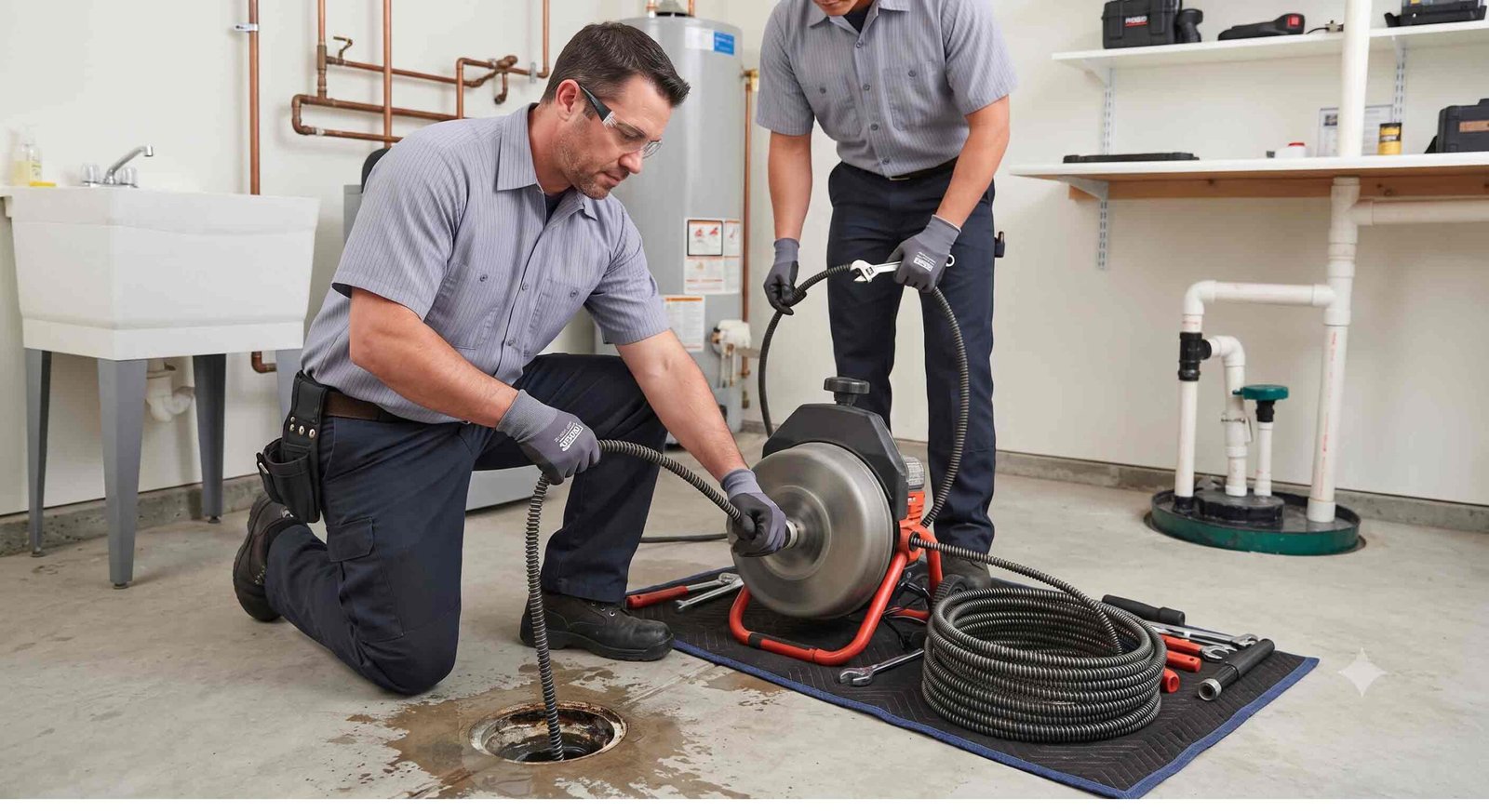
When multiple drains clog simultaneously, we use drain cleaning and hydro jetting for clearing stubborn blockages and restoring optimal pipe flow safely.
4 Clear Signs You Need Professional Drain Cleaning
Most homeowners wait until a drain is completely blocked before calling a plumber. However, your plumbing system will almost always exhibit warning signs long before a total backup occurs. Recognizing these early symptoms can save you from costly emergency repairs and unsanitary indoor flooding.
1. Slow Drains
The most common and earliest indicator of a developing clog is a slow-draining fixture. If you notice that water pools around your ankles while you take a shower, or if your kitchen sink takes several minutes to empty after washing dishes, you have a restriction. Slow drains are usually caused by a buildup of hair, soap scum, or grease narrowing the pipe pathway. While a single slow drain can sometimes be cleared with basic tools, multiple slow drains throughout the house usually point to a deeper issue in your main sewer line.
2. Recurring Clogs
Have you ever cleared a sink or shower drain using a plunger or a store-bought liquid cleaner, only to watch the exact same clog return a week later? This is a textbook sign of incomplete clearing. DIY methods and chemical treatments typically only punch a small hole through the center of a blockage, allowing water to pass temporarily. The residual debris remaining on the pipe walls quickly catches new material, recreating the clog. True drain cleaning requires completely scouring the interior pipe surface to remove the buildup entirely.3. Bad Odors
Your plumbing system is equipped with curved sections of pipe called “P-traps” beneath every sink and fixture. These traps hold a small amount of standing water to block sewer gases from rising up into your home. However, if organic waste—such as food particles, grease, hair, and bacteria—builds up inside your drain lines above or below the trap, it begins to rot and decompose. If you notice a persistent, foul, sulfur-like odor coming from your kitchen or bathroom drains that cleaning the sink basin won’t fix, you have a severe organic accumulation inside your pipes that requires professional attention.4. Gurgling Sounds
Your plumbing system needs proper ventilation to allow air to flow freely as water moves through the pipes. When a blockage forms, it traps air pockets within the plumbing lines. When you flush a toilet, run the washing machine, or empty a sink, the escaping air is forced to bubble up through the water in other traps, producing a distinct gurgling or bubbling sound. If your plumbing talks back to you with gurgling noises, it is a clear warning sign that a serious blockage is restricting air and water movement.The Hidden Dangers of DIY Drain Cleaners and Temporary Fixes
When faced with a clogged drain, many homeowners make a quick trip to the grocery store to pick up a bottle of liquid chemical drain cleaner. While these products promise a fast, effortless fix in television commercials, professional plumbers universally advise against their use.Understanding Your Home’s Drainage System
Unlike your pressurized supply lines—which bring clean water in—drain pipes operate under gravity. Because they rely on a gentle downward slope to move wastewater out of your home, any obstruction in the pipe can instantly disrupt the flow. As debris clings to the interior pipe walls, the inner diameter shrinks. Left unchecked, what starts as a minor restriction eventually hardens into a total blockage, causing wastewater to back up into your living spaces.
Preventing Future Clogs: Expert Maintenance Tips
In the Kitchen
Never Pour Grease Down the Drain: Cooking oil, bacon grease, and fats may look liquid when hot, but as they cool inside your pipes, they solidify into a thick, concrete-like wax that traps food particles and creates severe blockages. Always pour excess grease into a container, let it harden, and throw it in the trash.
Install Sink Strainers: Use fine mesh strainers in your kitchen sinks to catch food scraps, coffee grounds, and potato peels before they wash down the drain.
Be Mindful of Garbage Disposals: Your garbage disposal is not a trash can. Avoid putting fibrous vegetables (celery, corn husks), starchy foods (pasta, rice), eggshells, and coffee grounds down the disposal. Always run cold water for 15 seconds before, during, and after operating the disposal.
In the Bathroom
Use Hair Catchers: Hair is the number one cause of bathroom shower and tub clogs. Installing inexpensive hair catchers over your drains will capture loose strands before they tangle deep inside your P-trap.
Flush Only Human Waste and Toilet Paper: Never flush “flushable” wipes, paper towels, cotton balls, feminine hygiene products, or dental floss down the toilet. Even if a product claims to be flushable, municipal and residential drainage systems are not designed to break them down, leading to massive main line blockages.
Run Hot Water Regularly: Periodically running a tap of hot water down your bathroom and kitchen sinks for a minute helps flush away minor soap residue and prevents buildup from hardening.
Frequently Asked Questions (FAQ)
How often should I schedule professional drain cleaning?
Can I use a mixture of baking soda and vinegar to clear a clogged drain?
Will hydro jetting damage my old plumbing pipes?
Why are all the drains in my house running slow at the same time?
Do you offer emergency drain cleaning services?
Restore Your Home’s Flow Today
Don’t let a slow or clogged drain disrupt your daily routine and threaten your property with water damage. Protect your home with powerful, professional drain cleaning services from the trusted experts at Heatwave Plumbing.
Call Heatwave Plumbing at 813-510-5600 today to schedule your service or claim your free estimate across Tampa Bay and Southwest Florida!