
Heatwave Sarasota · Sarasota, Florida
Water Heaters: Brilliant Solutions for Constant Comfort
Water heaters are the beating heart of your home’s daily comfort. They work tirelessly to provide the warmth required for showers, cooking, and heavy laundry loads.When this vital appliance malfunctions, it brings your entire household routine to an abrupt halt. At Heatwave Sarasota, we eliminate the stress of freezing showers. We deliver brilliant repair, maintenance, and installation solutions to keep your plumbing system operating flawlessly.
Spotting the Early Warning Signs
Waiting for a total system failure is a costly mistake. Your system will typically exhibit warning signs before breaking down. Discolored, rusty water flowing from your hot taps indicates severe internal corrosion. This means the structural integrity of your tank is severely compromised. If you hear loud popping or rumbling noises, hardened mineral sediment is trapped inside the tank. This forces the burner to work twice as hard, wasting expensive energy. Visible moisture pooling around the base of your unit is an immediate emergency. A fractured tank cannot be patched and requires immediate replacement to prevent catastrophic indoor flooding.
Choosing the Perfect Upgrade
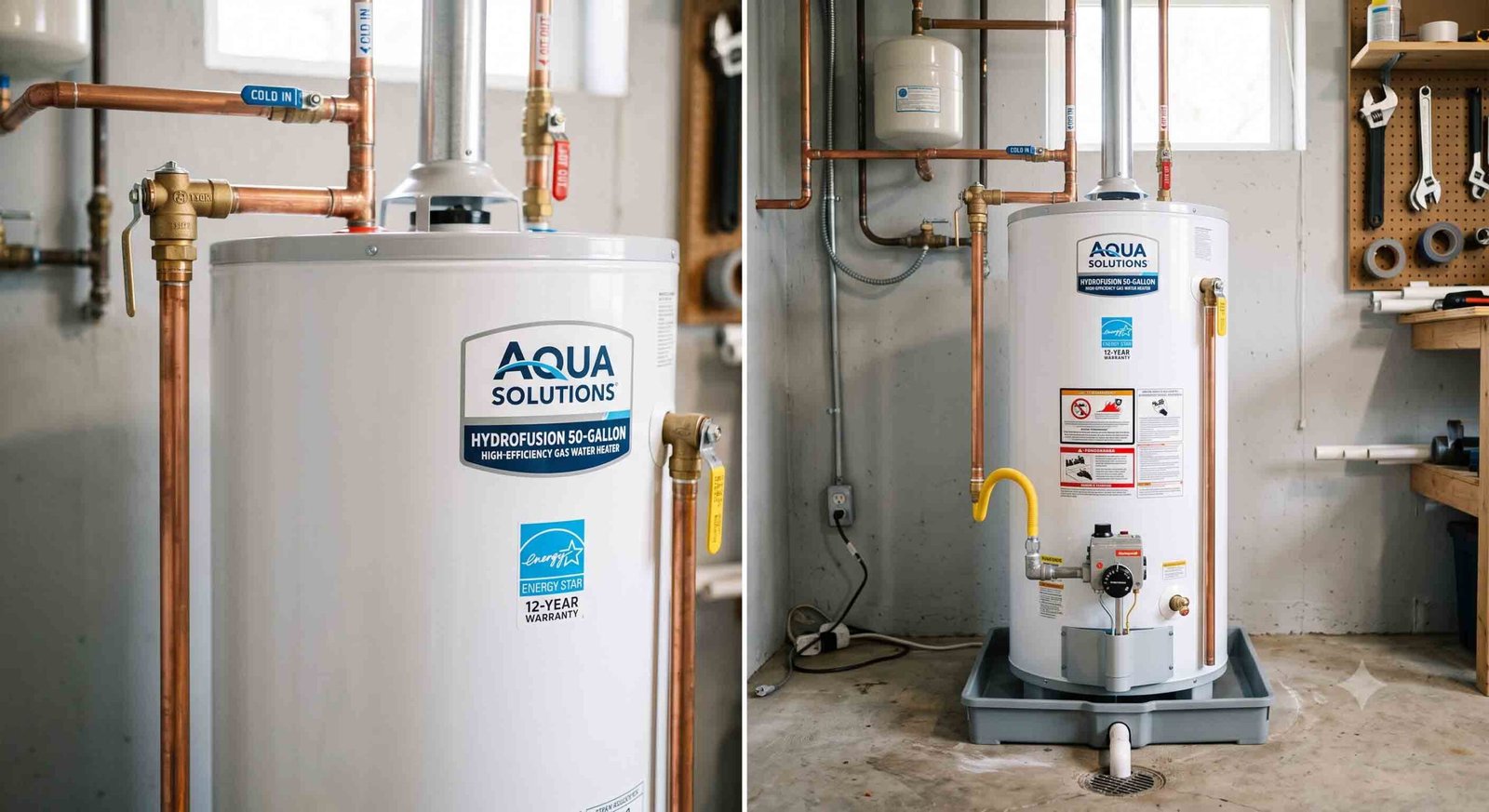
Replacing aging water heaters provides a massive opportunity to slash your monthly utility bills. Traditional storage tanks remain a popular, budget-friendly choice. They hold a large volume of heated water, ready for immediate use. However, upgrading to a modern tankless system is a game-changer. These compact units heat water instantly on demand. Because tankless models do not burn energy 24/7 to keep a reservoir hot, they dramatically lower your energy consumption while providing an endless supply of warmth.
The Heatwave Sarasota Difference
Dealing with high-voltage electricity, pressurized water, and combustible gas lines is incredibly dangerous. This is strictly not a DIY project. Our licensed and insured technicians ensure your new system is installed perfectly to code, guaranteeing the safety of your family and property. Need comprehensive comfort beyond your plumbing? We also provide elite air conditioning and heating services. Visit our sister site at Heatwave HVAC to learn more.
Water Heater Service for Sarasota Homes
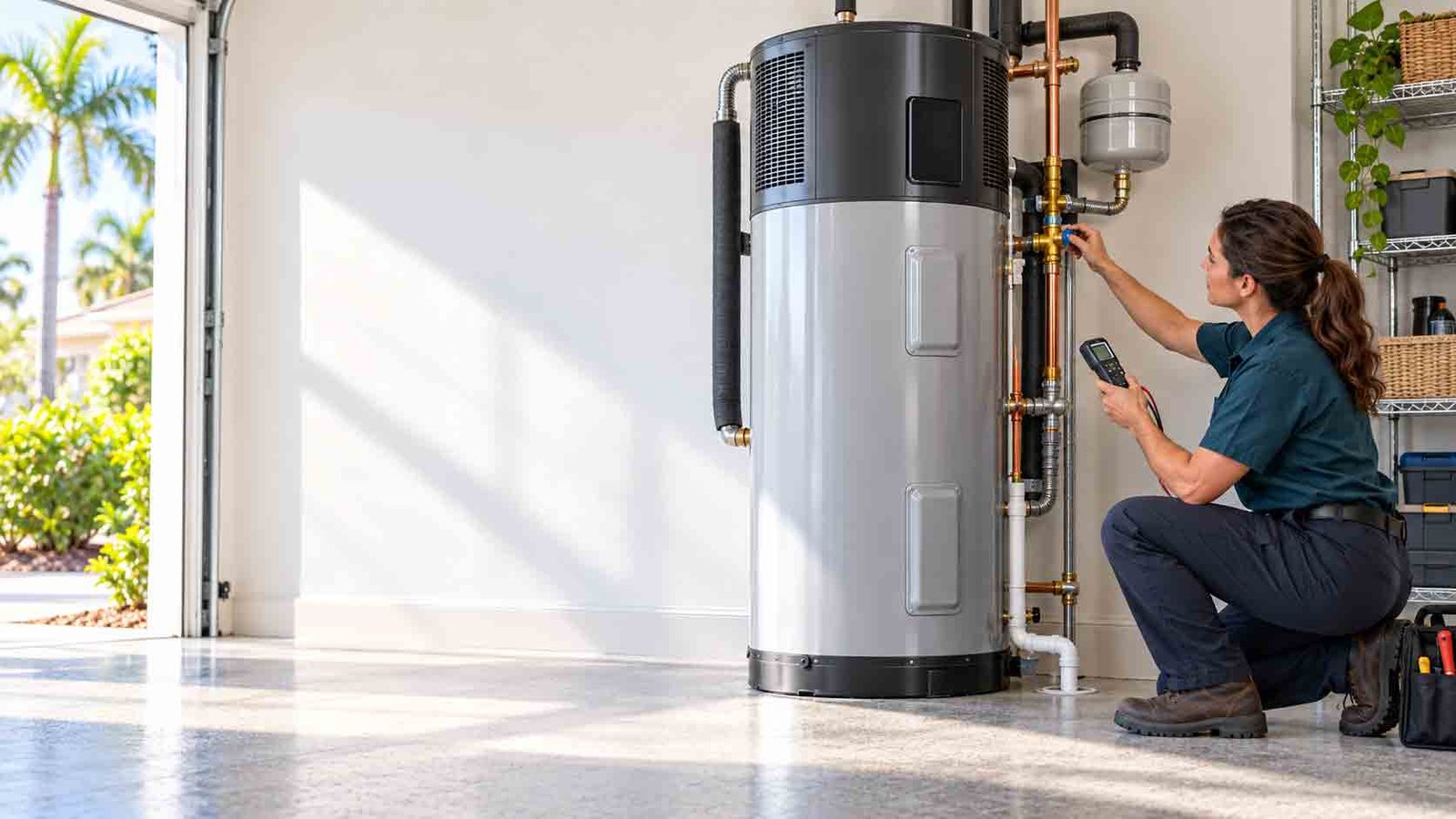
The right service starts with the complaint. No hot water at any tap can point toward the heater or its energy supply. A problem at only one faucet may involve that fixture, a mixing valve, or a local line. A puddle near the heater might come from a connection, valve, drain, or the tank itself. A technician can inspect the equipment, explain the likely cause, and outline the next steps. Heatwave’s broader Sarasota service information lists water heater repairs and tankless water heaters among its plumbing work. The exact service scope and available equipment can be discussed when you schedule. Give the team the model or fuel type if you know it, the age from the label if visible, and whether the issue is constant or intermittent. Those details help focus the visit.
Signs Your Water Heater Needs Attention
Not enough hot water
Short showers, a slow recovery, or water that never heats properly can be related to sizing, controls, heating components, or unusually high demand.
Changing temperatures
Hot water that swings between warm and cold can have several causes. Note whether it happens at one fixture or across the home.
Water or corrosion
Moisture around fittings, the relief pipe, or the base of a tank deserves prompt investigation before nearby materials become wet.
Noise or an error code
New sounds, a warning light, or a tankless error code provide useful clues. Record what you hear or see without opening the equipment.
Discolored water or an odor should also be investigated. The cause may be in the heater, plumbing, or water supply. Avoid assuming that replacing the unit will solve a whole-house water quality issue.
What May Be Involved in a Water Heater Repair?
On an electric tank unit, a technician may check the power supply, controls, and heating components. On a gas unit, assessment can include the ignition or burner system and venting. Tankless equipment has its own controls, sensors, filters, and manufacturer fault codes.
A leaking fitting or valve may need a different repair than a leaking tank. Water can run down the side of the unit, so a puddle at the bottom does not automatically identify the failed part. The source needs to be confirmed before recommending replacement.
Do not open electrical covers, adjust gas components, or block a relief-valve outlet to stop dripping. Explain what you see to a qualified professional so the system can be handled safely.
Compare Common Water Heater Types
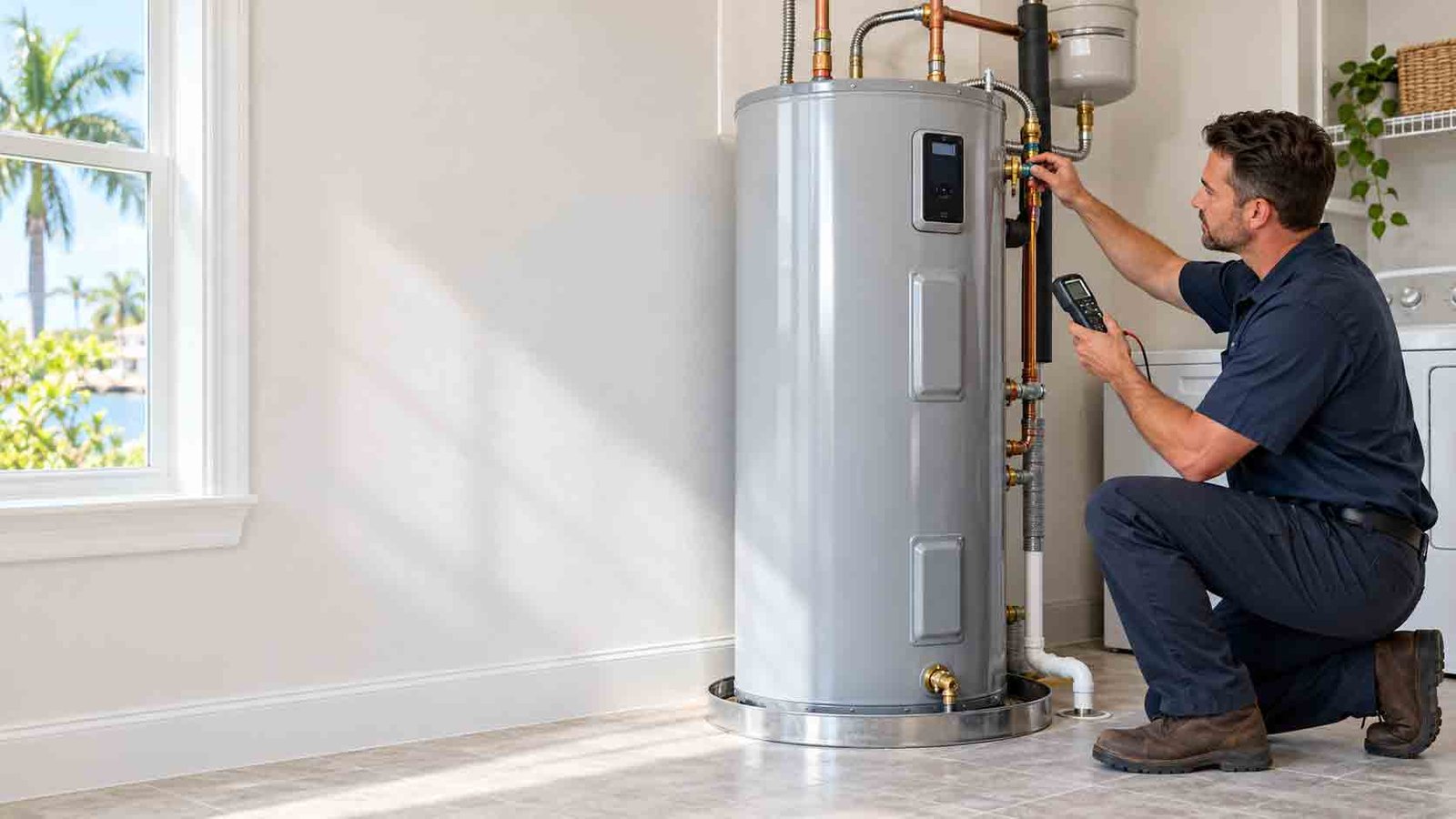
The best fit depends on household hot water demand, available fuel, installation space, existing connections, and the total cost over time. Ask which options can be supported at your property.
Storage tank
Stores heated water for use when needed. Check tank capacity and first-hour rating to see how much hot water it can deliver during a busy period.
Tankless
Heats water as it flows through the unit. Its flow capacity matters when showers and appliances run at the same time; conversion may require changes to fuel, venting, or electrical service.
Heat pump water heater
Moves heat from surrounding air into stored water. It can use less electricity than a standard electric resistance model but needs suitable space, airflow, drainage, and placement.
Other configurations
Some homes have specialized or solar-assisted systems. Availability and suitability should be evaluated for the home rather than assumed from the old equipment.
ENERGY STAR’s heat pump water heater guidance is useful for understanding space, installation, and efficiency considerations. Ask about local product availability and whether an upgrade is suitable before committing to one type.
How to Choose a Water Heater That Fits
Begin with the household’s normal pattern: number of occupants, simultaneous showers, laundry, dishwashing, and any unusually high hot water demand. A new heater should be selected for those uses rather than simply matching the old tank label.
For a tank model, review the first-hour rating as well as capacity. For tankless, consider the required flow rate at the needed temperature rise. For a heat pump model, discuss its recovery, space, airflow, condensate handling, and operating modes.
Compare the Uniform Energy Factor (UEF) and the EnergyGuide estimated annual energy cost for suitable models, taking care to compare the right category. An efficient model still needs proper sizing and installation to serve the home well.
Installation constraints may change the answer. Available electrical service, gas supply, venting route, drain location, and physical clearances all affect which equipment can be installed. Have the installer review those conditions before selecting a unit.
Plan a Water Heater Installation
Installing a new system involves more than setting it in place. The installer must confirm the chosen equipment fits the location and household demand, then review the water connections and the energy source it needs.
Depending on the heater type, the work may involve electrical connections, gas piping, venting, condensate drainage, a drain pan, or other site-specific details. These requirements vary by unit and property. A qualified installer should handle them according to applicable requirements and manufacturer instructions.
Before work begins, ask what the written scope covers: removal of the old unit, any needed upgrades, testing, cleanup, and disposal. At handoff, request an explanation of controls, normal operation, warranty documents, and recommended maintenance.
Maintenance and Leak Prevention
Regular visual checks can catch a change before it becomes extensive water damage. Look for moisture at accessible fittings, unusual rust, a damp drain pan, or water near the base. Keep the area around the unit accessible.
Follow the manufacturer’s instructions for your model. Depending on the equipment and water conditions, a professional service visit may include checking connections, reviewing safety components, assessing sediment or scale, and inspecting an anode rod on applicable tank units. Tankless and heat pump models have different maintenance needs.
A small water alarm near the heater may help alert you to new moisture. It does not replace maintenance or repair, but it can make an unnoticed leak easier to discover.






What to Do if Your Water Heater Is Leaking
If water is actively spreading, avoid standing in water near electrical equipment. If safe and accessible, shut off the water supply to the heater and follow the manufacturer’s instructions to stop operation. Call 727-777-6229 and describe the location and amount of water.
Do not cap, plug, or block a temperature and pressure relief line. If you smell gas, leave the area and contact the gas utility or emergency services from a safe place. Do not operate switches or attempt a repair.
Once the leak is stopped, any wet surrounding materials may need drying or restoration. A plumber can identify whether the water came from a connection, valve, nearby appliance, or the heater itself.
What to Expect When You Contact Heatwave Sarasota
Share the symptoms
Tell the team whether you have no hot water, inconsistent temperature, a warning code, unusual noise, or visible moisture. Note the unit type and any steps already taken.
Discuss diagnosis and choices
An assessment can separate a repairable component issue from a broader equipment or installation concern. Ask for a clear explanation of the recommended option and what it includes.
Plan the next step
For a repair, discuss testing and follow-up maintenance. For replacement, compare capacity, operating type, installation requirements, and the full scope of work before choosing.
For the wider company’s heating, cooling, and plumbing information, visit Heatwave HVAC.
Water Heater FAQs
Why am I running out of hot water?
The heater may be undersized for current demand, recovering slowly, or experiencing a component problem. Note how many fixtures are in use and whether the issue is new.
Is a puddle at the bottom always a failed tank?
No. Water can run down from a fitting or valve above. The leak source should be identified before deciding whether a repair or replacement is appropriate.
Is tankless the best choice for every home?
No single type fits every property. Tankless capacity, simultaneous demand, available energy supply, and installation changes all matter.
What is a heat pump water heater?
It uses electricity to move heat from nearby air into stored water. It can be an efficient option when the location, space, airflow, and drainage are suitable.
Should I replace my current heater solely because of its age?
Age helps inform the decision, but condition, repair history, warranty, household needs, and replacement cost matter too. An inspection can clarify the tradeoffs.
Can Heatwave Sarasota discuss water heater service?
Yes. Share your Sarasota property’s symptoms through the contact page or call the number below to discuss the available next step.
Talk With Heatwave Sarasota About Water Heaters
Whether you need help with a water heater problem or want to compare replacement options, tell us what is happening and where the unit is installed.
Fulll Services of HVAC, Plumbing and Electrical
At Heatwave Plumbing, we strive for 100% customer satisfaction every single time. Stop the flooding and protect your property with a team you can trust.

We Have Nearly 20 Years of Experience.

We Provide Full- Service HVAC Services.

We Are EPA & Factory Certified.

We Are Fully Licensed and Insured.
